10 Meetups About garage door sensor issues You Should Attend
What Is the Process for Steel Garage Door Repair?
Maintaining a steel garage door is essential for home safety, curb appeal, and energy efficiency. Understanding the repair process empowers homeowners to decide whether to undertake DIY fixes or hire professional services. This comprehensive guide reveals every step involved in steel garage door repair, from identifying common issues to ensuring proper maintenance practices for long-lasting door operation.
What are the common issues that require steel garage door repair?
Steel garage doors are sturdy but not immune to wear and tear. Common issues requiring repair include dents caused by impact damage, rust and corrosion forming on steel panels, and misalignment leading to noisy or uneven operation. Hinges and rollers often wear out or break over time, while springs losing tension or snapping can prevent smooth opening and closing. Cables may fray or snap, compromising door functionality. Additionally, weather seals can tear or deteriorate, reducing protection against drafts, and insulation may degrade, affecting energy efficiency.- Dents and impact damage on steel panels
- Rust and corrosion development on exposed surfaces
- Worn or broken hinges, rollers, and tracks
- Springs losing tension or snapping under stress
- Frayed or broken cables supporting door weight
- Noise and vibration due to unbalanced or worn parts
- Torn or missing weather seals and door sweeps
- Degraded insulation affecting temperature control
How do you inspect a steel garage door before starting repairs?
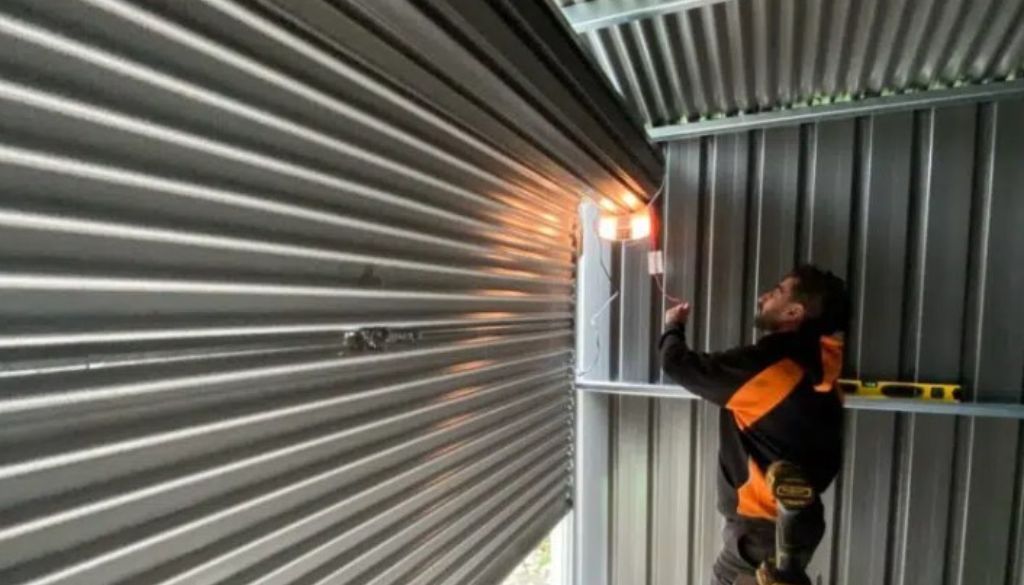
A thorough inspection is critical before beginning any repairs. Start by visually checking the door’s steel panels for dents, rust, and corrosion. Examine hinges, rollers, and tracks for signs of wear, damage, or looseness. Carefully assess spring tension and cable integrity to ensure safe operation. To test door balance, manually lift the door halfway and observe if garage door sensor issues it holds in place without slipping up or down, indicating correct tension. Verify that the garage door opener, sensors, and remote control function properly. Also inspect the garage frame, jamb, and threshold for structural damage that might affect door operation. Finally, look at weather seals and door sweep conditions to determine if replacements are necessary.
- Perform safety inspection focusing on visible damage and wear
- Test door alignment and operational balance manually
- Check spring tension and cable condition carefully
- Confirm opener motor and sensor functionality
- Inspect garage frame, jamb, and threshold for structural integrity
- Assess condition of weather seals and bottom door sweep
What is the step-by-step process for repairing dents and rust on steel panels?
Repairing dents and rust involves several precise steps to restore the door’s strength and appearance. First, clean the affected area thoroughly to remove dirt and debris. Use a wire brush or chemical rust remover to eliminate corrosion completely. Sand the surface smooth to prepare for paint adhesion and to reduce dent visibility. For significant dents, apply dent removal tools or use filler compounds to even out the surface. In cases of holes or deep corrosion damage, welding new steel patches onto the panel may be necessary to ensure durability. After patching, apply a high-quality primer followed by weather-resistant paint that matches your door’s colour. Seal the repaired area with protective coatings to prevent future rust and corrosion effectively.- Clean and degrease damaged steel panel sections
- Remove rust with wire brush or chemical treatments
- Sand surfaces to smooth dents and prep for paint
- Use dent removal tools or fillers for moderate dents
- Weld steel patches on areas with holes or severe corrosion
- Apply primer and matching topcoat paint
- Seal repaired areas to protect against moisture and corrosion
How do you repair and replace hardware like hinges, rollers, springs, and cables?
When repairing or replacing hardware, safety and precision are paramount. Start by loosening and removing worn or damaged hinges and rollers carefully, supporting the door weight throughout. Replace them with manufacturer-approved parts compatible with your door model. Lubricate all moving components such as hinges, rollers, and tracks using appropriate lubricants to reduce friction and noise. For springs and cables, it’s critical to safely relieve tension using winding bars or professional-grade tools—improper handling can cause injury. Remove broken or frayed springs and cables and install replacements, then adjust tension carefully to balance the door perfectly. Test the door’s operation and confirm the functionality of safety release mechanisms and manual locks before completing the repair.
- Remove damaged hinges or rollers cautiously supporting door weight
- Install compatible replacement hardware per manufacturer specs
- Lubricate hinges, rollers, tracks, and springs regularly
- Relieve spring tension safely using proper winding bars or tools
- Replace frayed or broken springs and cables with matching parts
- Adjust spring tension to ensure balanced, smooth door movement
- Test safety release and manual lock mechanisms post-installation
What steps are involved in troubleshooting and repairing garage door opener issues?
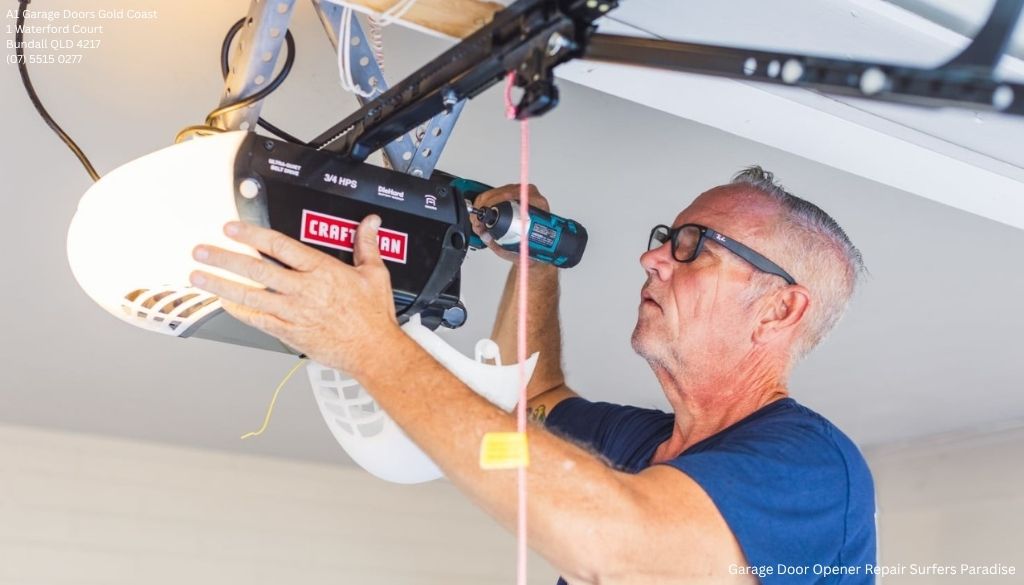
Troubleshooting opener problems requires a systematic approach. Begin by confirming that the power supply and wiring connections to the opener motor and control board are secure and functioning. Inspect sensors on either side of the door to ensure they are clean, correctly aligned, and free of obstructions. If the door stops prematurely, reset or replace faulty limit switches controlling travel distance. Listen carefully for beep codes emitted by the opener motor which indicate specific error types. Test remote controls and keypad units for signal transmission reliability. Apply lubricant to gearbox gears if unusual noises are present. If diagnosis points to electrical faults, consider replacing the control board to restore proper functionality.- Check power supply stability and wiring connections
- Inspect and clean safety sensors; ensure correct alignment
- Reset or replace limit switches when door stops unexpectedly
- Interpret beep codes for fault diagnosis during opener operation
- Test remotes and keypad controls for responsiveness
- Lubricate motor gears to reduce noise and wear
- Replace control board if electronic malfunctions persist
How can you improve steel garage door maintenance to extend its lifespan?
Regular maintenance is key to prolonging your steel garage door’s longevity and optimal performance. Periodically lubricate hinges, rollers, tracks, and springs using high-quality lubricants to minimise wear and noise. Tighten any loose screws, bolts, and brackets to maintain structural stability. Regularly check door alignment and balance to prevent strain on hardware and opener mechanisms. Replace worn weather seals and door sweeps promptly to keep out drafts, moisture, and pests. Maintain insulation integrity to improve energy efficiency inside the garage. Clear debris around the threshold and ensure proper drainage systems prevent water from pooling near the door bottom, reducing corrosion risk. Address any emerging noise or vibration issues swiftly to avoid further mechanical failure.- Lubricate all moving parts including hinges, rollers, tracks, and springs
- Tighten loose screws, bolts, and mounting brackets regularly
- Check and correct door alignment and ensure balanced operation
- Replace damaged weather seals and door sweeps to weatherproof door
- Inspect and maintain insulation for thermal efficiency
- Maintain clear drainage paths around threshold to prevent water damage
- Resolve abnormal noise and vibrations quickly to prevent further damage
When should you consider professional steel garage door repair versus DIY?
While some minor repairs and maintenance tasks can be managed by confident DIYers, certain garage door issues require professional expertise. Handling springs involves high tension that can cause serious injury if wound or local community guide unwound incorrectly, so professional intervention is strongly advised. Complex repairs such as welding patches on corroded panels, troubleshooting sophisticated opener electronics, or managing manual lock and safety release systems also benefit from expert knowledge. Professionals provide detailed safety inspections, use specialised tools, and offer warranties that safeguard your investment. Consider costs, risks, and time when deciding; often, professional repairs provide longer-lasting solutions and reduce garage door sensor troubleshooting goldcoastgaragedoorrepair.com.au future expenses.- Engage professionals for spring tension winding and replacement
- Hire experts for welding or major steel panel damage repairs
- Choose professional services for complex opener diagnostics and repair
- Benefit from warranty coverage and certified workmanship
- Weigh safety risks and repair quality versus DIY savings
How to choose replacement parts for your steel garage door?
Choosing the right replacement parts ensures safe and durable garage door operation. Always verify the door’s model number and manufacturer specifications before purchasing hinges, rollers, springs, cables, or steel panels. Original Equipment Manufacturer (OEM) parts tend to provide better compatibility and reliability compared to cheaper aftermarket alternatives. High-quality parts reduce the likelihood of premature failure and enhance safety. Purchase from reputable Australian suppliers offering genuine components that comply with local building standards and warranty policies. Ensuring correct fitment and material quality improves repair outcomes and maintains door value.- Confirm door model and manufacturer specifications before ordering parts
- Prefer OEM parts for greater compatibility and longevity
- Avoid low-quality aftermarket components that compromise safety
- Buy from trusted Australian suppliers adhering to industry standards
- Check warranty and authenticity credentials on replacement items
Frequently Asked Questions
How often should steel garage doors be inspected for repairs?
Regular inspections every 6 to 12 months help identify minor issues before they escalate, extending the life of your steel garage door and ensuring reliable operation.Can I fix garage door springs myself safely?
Due to the dangerous tension stored in springs, it is highly recommended that only trained professionals perform repairs or replacements to avoid serious injury.
What causes rust on steel garage doors and how to prevent it?
Our Sponsor
A1 Garage Doors Gold Coast
A1 Garage Doors Gold Coast is a Bundall-based garage door specialist serving the southern Gold Coast and surrounding suburbs with installation, repair, maintenance, and emergency garage door services. The company specializes in sectional doors, roller doors, garage door openers, spring and cable replacement, opener motor repair, smart-enabled installations, and 24/7 emergency call-outs across Robina, Burleigh Heads, Surfers Paradise, Nerang, Coomera, and the wider Gold Coast region.
Address:
1 Waterford Court,
Bundall,
QLD
4217,
Australia
Phone: (07) 5515 0277
Business Hours:
- Open 24/7 — Including After-Hours and Emergency Call-Outs
Follow Us:
What is the average cost of steel garage door repair?
Repair costs vary depending on damage extent and parts replaced but generally range from $150 to $600. Complex repairs involving springs garage door sensor repair or openers may incur higher expenses.